Beyond Surface Treatments: Understanding the Science Behind Gut Health and Skin Transformation
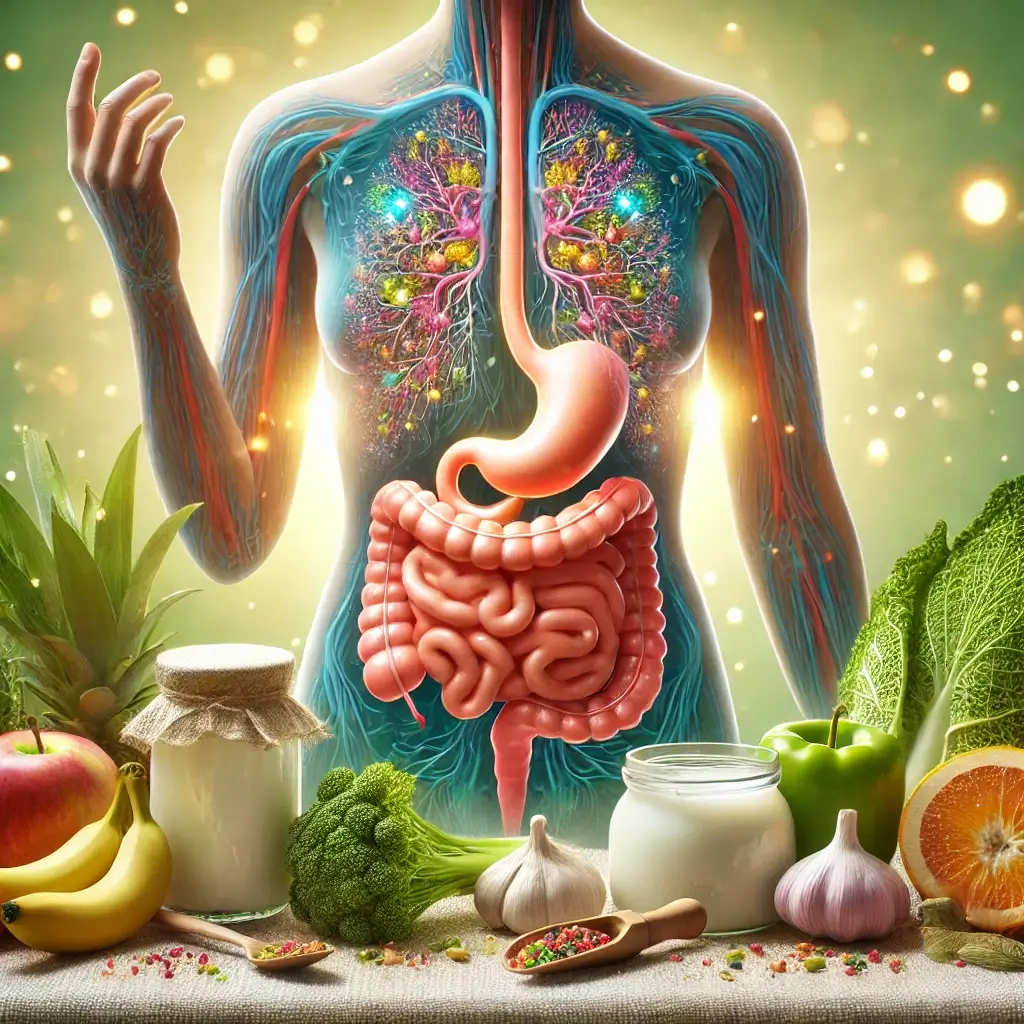
Understanding the Connection Between Internal Health and Skin
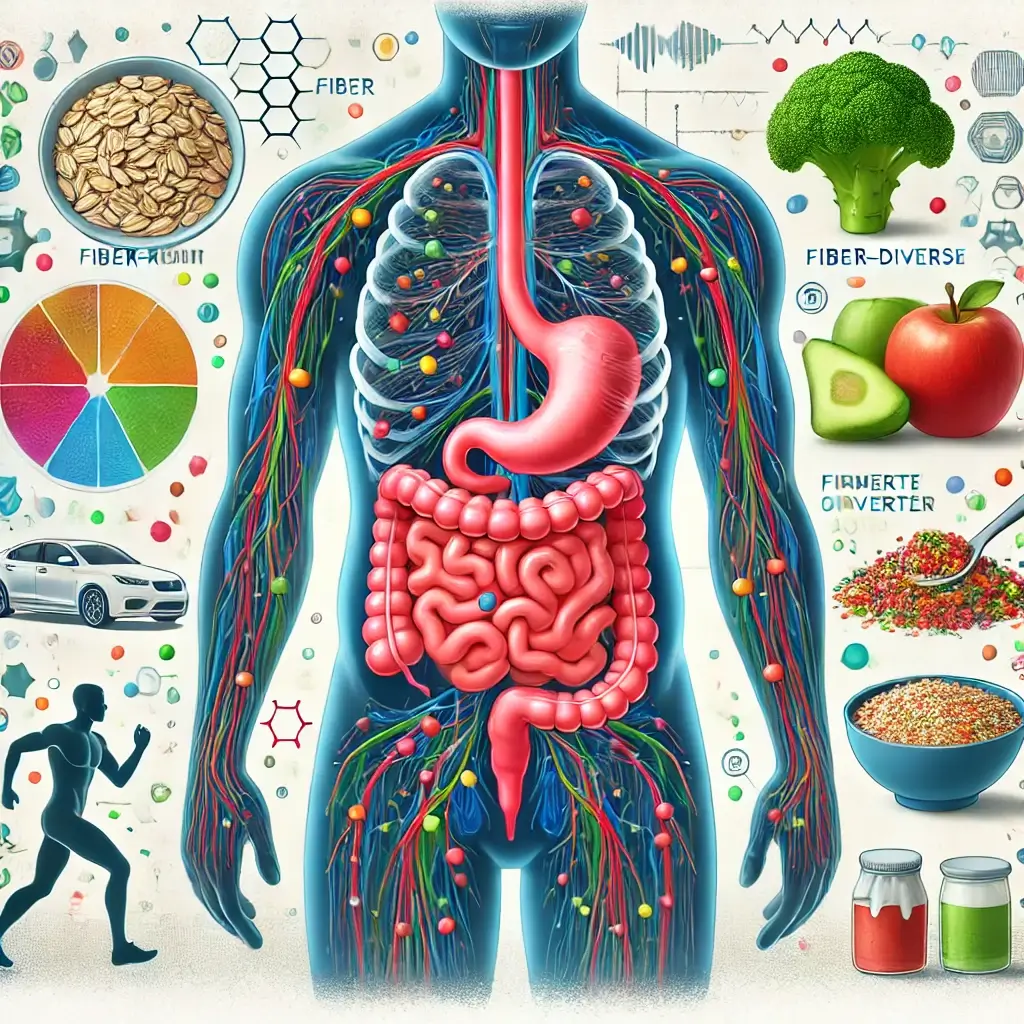
In the quest for flawless skin, most people focus on external treatments like moisturizers, serums, and sunscreens. However, achieving truly healthy skin requires looking beyond the surface and understanding the internal factors at play. Among these, the gut microbiome community of trillions of microorganisms within our digestive system has emerged as a significant contributor to skin health. This interplay, known as the gut-skin axis dynamic communication, emphasizes the dynamic communication between the gut and skin through immune, metabolic, and hormonal pathways.
The Impact of Gut Health on Skin Functions
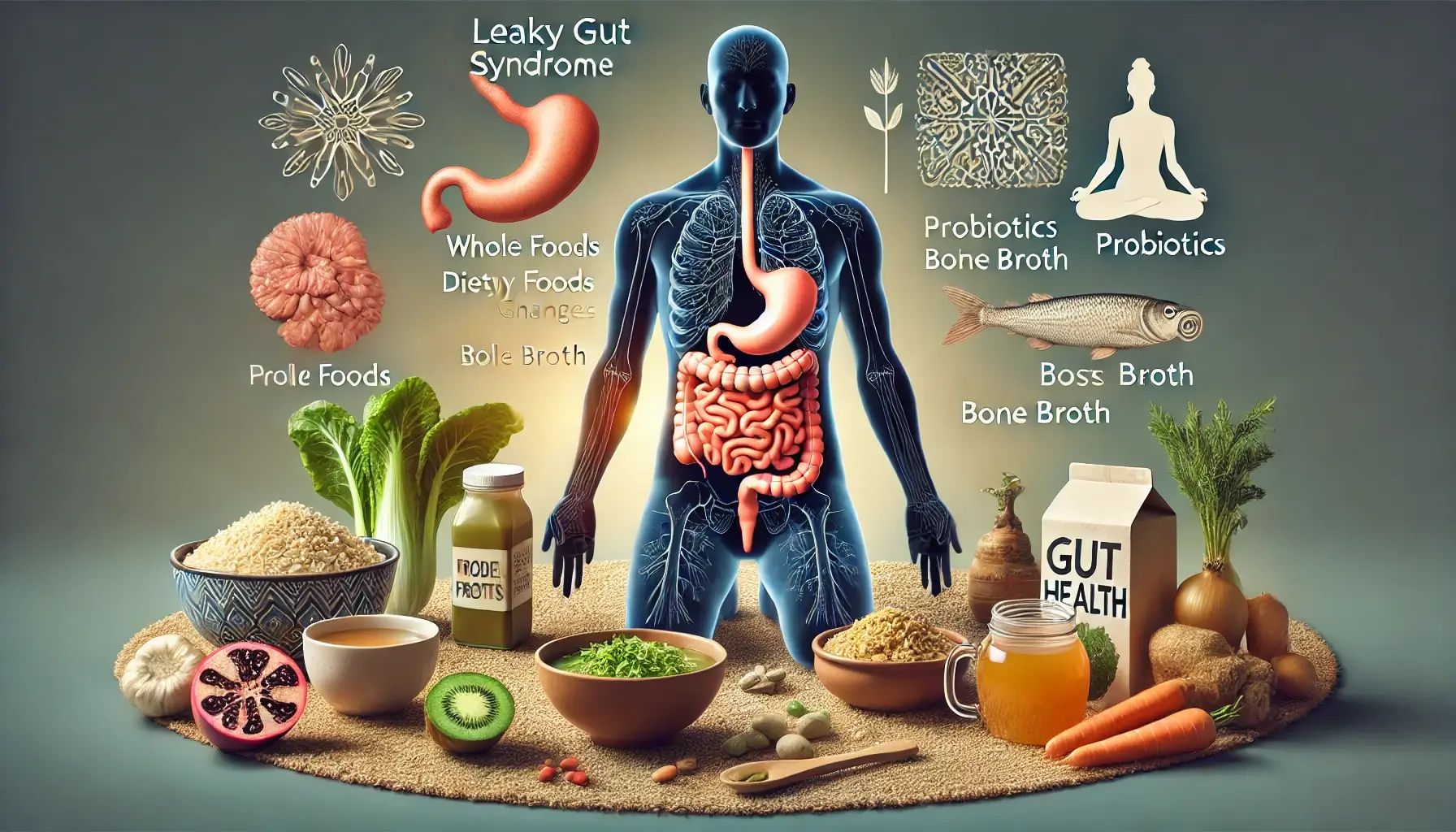
Gut health impacts a variety of skin functions, from managing inflammation to maintaining hydration and elasticity. Research suggests that disturbances in gut bacteria termed dysbiosis can contribute to inflammatory skin conditions like acne, eczema, and rosacea. Conversely, a balanced gut microbiome supports skin healing, reduces redness, and enhances overall skin resilience. This evolving understanding offers a holistic approach to skincare that integrates internal health with external care.
Introduction to Research Findings
In this article, we explore the latest research on the gut-skin connection, its implications for addressing skin concerns, and actionable strategies for nurturing gut health to achieve radiant skin.
Scientific Research on Gut-Skin Connection
Scientific studies have highlighted several mechanisms through which gut health influences skin wellness:
Understanding Eczema and Gut Health
Eczema and Gut Dysbiosis: A 2020 study in the Journal of the American Academy of Dermatology analyzed gut bacteria in patients with atopic dermatitis. The research found that individuals with severe eczema had less microbial diversity, indicating that gut dysbiosis exacerbates skin inflammation. Targeted therapies to restore gut balance, such as probiotics, may improve these symptoms (Gao et al., 2020).
Acne Treatment Through Gut Health
Acne and Probiotic Therapy: A 2018 study published in Nature demonstrated that probiotic supplementation enhanced the skin barrier and reduced inflammatory markers in individuals with acne. This suggests that probiotics may be a valuable adjunct to traditional acne treatments (Wang et al., 2018).
Rosacea and Intestinal Health Connection
Rosacea and Bacterial Overgrowth: Research indicates that individuals with rosacea are more likely to have small intestinal bacterial overgrowth (SIBO). Treating SIBO through antibiotics has been shown to alleviate rosacea symptoms, reinforcing the gut-skin connection (Parodi et al., 2011).
The Role of Gut Health in Skin Aging
Aging and Gut Microbiota: Emerging evidence suggests that gut bacteria influence skin aging through collagen synthesis. Healthy gut bacteria produce anti-inflammatory compounds that support skin elasticity and hydration, helping to delay the onset of wrinkles and fine lines.
Practical Strategies for Gut and Skin Health
To promote healthy skin through gut care, consider the following strategies:
Incorporating Probiotics for Skin Health
Include probiotic-rich foods such as yogurt, kefir, kimchi, and sauerkraut in your diet. Alternatively, consult a healthcare provider about probiotic supplements tailored to your needs.
The Importance of Prebiotics
Prebiotics, found in foods like garlic, onions, asparagus, and bananas, nourish beneficial gut bacteria creating optimal environment for microbiome balance.
Nutritional Support for Skin Health
Emphasize whole foods, lean proteins, and antioxidants to support gut and skin health. Vitamins and minerals for skin repair and regeneration such as A, C, and E, alongside minerals like zinc, are particularly beneficial.
Managing Stress for Better Skin
Chronic stress disrupts the gut-skin axis, leading to flare-ups of inflammatory conditions. Practices such as yoga, mindfulness meditation, and regular physical activity help mitigate these effects.
Hydration for Skin and Gut Health
Water is essential for maintaining gut function and skin hydration. Aim for 8–10 glasses per day to optimize both.
Sleep’s Role in Skin Health
Adequate sleep allows body repair and regeneration, benefiting both the gut and the skin. Aim for 7–9 hours of quality sleep nightly.
Final Thoughts on the Gut-Skin Connection
The gut-skin axis offers a groundbreaking perspective on achieving healthier, more resilient skin by addressing internal health. Research demonstrates that conditions like eczema, acne, and rosacea can be managed by restoring gut balance, while maintaining healthy gut microbiome supports skin aging prevention. These findings pave the way for integrative skincare approaches that combine diet, stress management, and lifestyle adjustments.
The Future of Skin Health
By nurturing your gut, you’re not only enhancing your skin but also improving your overall well-being. As ongoing studies deepen our understanding of this fascinating connection, incorporating gut-focused practices into daily routine for long-term skin health could be the key to unlocking long-term skin health.
Research Citations
References
Gao, Y., Mao, Y., Zhou, J., Yu, R., Mao, J., Hu, D., & Wang, J. (2020). Gut microbiota composition is altered in patients with atopic dermatitis. Journal of the American Academy of Dermatology, 82(2), 380-387.
Wang, J., Li, Y., Huang, J., Guo, Y., Luo, Y. (2018). Probiotics and their beneficial effects on skin health. Nature, 563, 77-83.
Parodi, A., Paolino, S., Greco, A., Drago, F., Mansi, C., Rebora, A., & Parodi, M. (2011). Small intestinal bacterial overgrowth in rosacea: Clinical effectiveness of its eradication. Clinical Gastroenterology and Hepatology, 9(3), 248-254.