Restore Your Microbiome: Expert-Backed Strategies for Post-Antibiotic Gut Recovery

Understanding Antibiotics and Gut Health
Antibiotics are essential in modern medicine, tackling bacterial infections that were once untreatable. However, their potent effects come with a downside—they disrupt the gut microbiome community of bacteria, critical for digestion, immune health, and overall well-being. This disruption often leads to digestive discomfort, including diarrhea, bloating, and, in severe cases, inflammation of the gut.
The good news? There are simple, actionable steps you can take to restore your gut health after antibiotics. From dietary adjustments to lifestyle changes, a practical approach can help bring your microbiome back into balance, ensuring a smoother recovery and long-term health benefits.
This article focuses on the real-world impacts of antibiotics on gut health and provides clear, step-by-step solutions to help you restore balance effectively.
How Antibiotics Affect Your Gut
Antibiotics work by killing bacteria to eliminate infections. Unfortunately, they can’t distinguish between harmful bacteria and the beneficial microbes in your gut. Here’s how this impacts your digestive system:
Loss of Beneficial Bacteria:
Antibiotics wipe out helpful microbes, leaving the gut vulnerable to imbalances.
Pathogen Overgrowth:
With fewer good bacteria to keep them in check, harmful organisms like Clostridioides difficile can flourish, leading to severe diarrhea.
Impaired Digestion:
The gut microbiome helps break down food and absorb nutrients. Disruption can result in bloating, gas, and discomfort.
Weakened Immunity:
Since 70% of your immune system resides in the gut, a disrupted microbiome may leave you more susceptible to infections.
The Science Behind Gut Recovery
Recent studies provide insights into effective ways to restore gut health after antibiotic use:
Probiotics:
Research published in Gastroenterology in 2022 found that probiotics, especially Lactobacillus and Bifidobacterium strains, significantly reduced antibiotic-associated diarrhea and supported gut recovery (Goldenberg et al., 2022).
Fermented Foods:
A 2021 study in Nutrients highlighted that fermented foods, such as kefir and sauerkraut, naturally replenish beneficial bacteria and enhance gut microbial diversity.
Dietary Fiber:
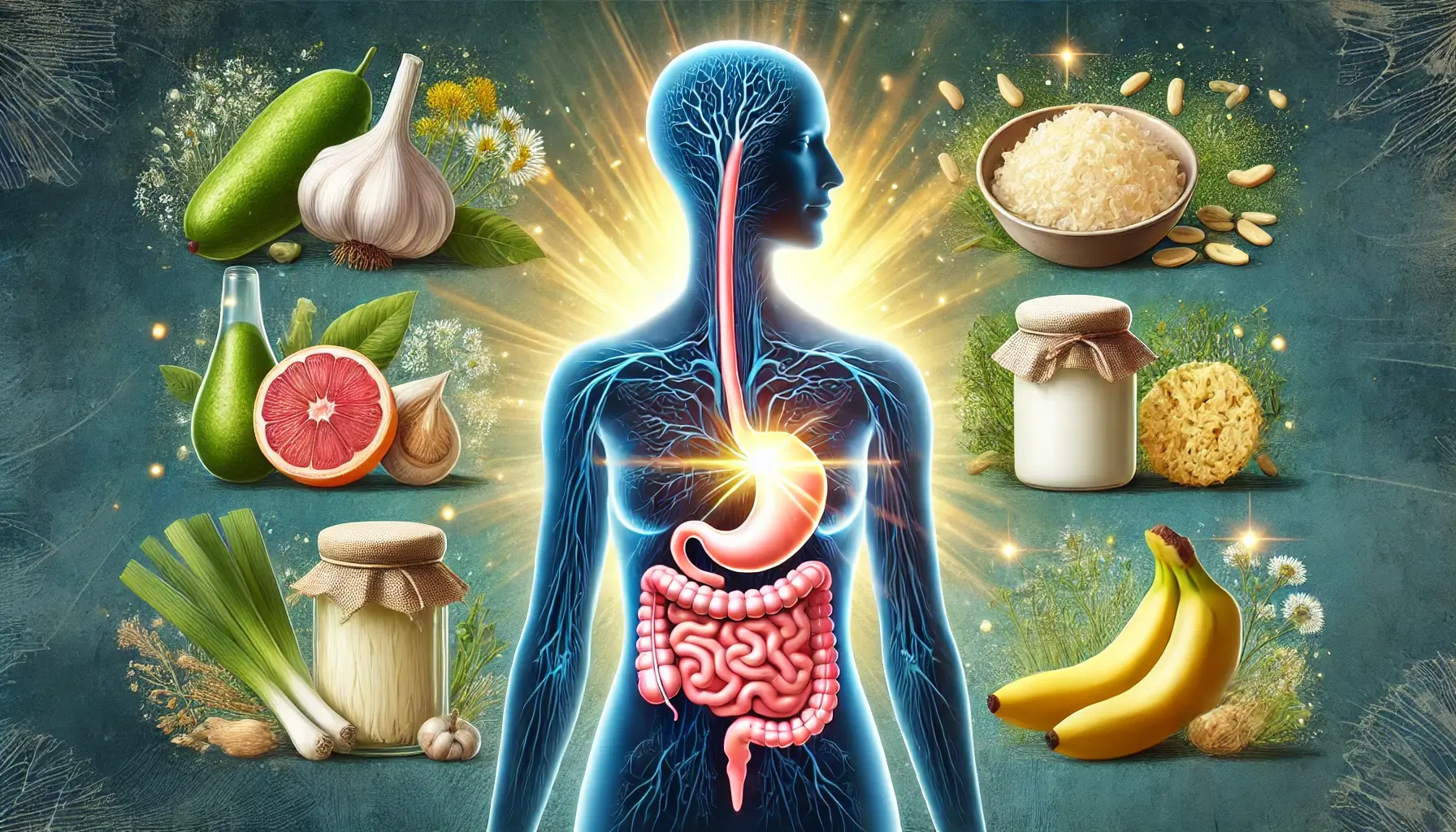
Foods rich in prebiotic fiber, such as whole grains and bananas, were shown in a Clinical Nutrition review to fuel the growth of beneficial bacteria, speeding up recovery.
Practical Steps to Restore Gut Health
Restoring balance in your gut doesn’t require complicated routines. Follow these practical steps:
Add Probiotics to Your Routine:
Take a high-quality probiotic supplement during and after antibiotics. Look for multi-strain varieties that include Lactobacillus acidophilus and Bifidobacterium bifidum.
Include fermented foods like yogurt, kefir, kimchi, and miso in your meals.
Incorporate Prebiotic-Rich Foods:
Prebiotics act as food for probiotics, helping good bacteria flourish.
Eat fiber-rich foods such as asparagus, garlic, and oats daily.
Hydrate Well:
Drink plenty of water to support digestion and maintain a healthy gut environment. Herbal teas like ginger or chamomile can also soothe your stomach.
Avoid Processed Foods:
Processed foods and added sugars can promote harmful bacteria growth. Stick to whole, nutrient-rich options instead.
Stay Consistent:
Gut restoration takes time. Stick to a routine of healthy eating and supplementation for gut health for at least a few weeks to see significant improvements.
Monitor Symptoms:
If you notice persistent issues like diarrhea or bloating, consult a healthcare provider for further evaluation.
Conclusion
While antibiotics are invaluable for treating bacterial infections, their effects on gut health require attention. By adopting straightforward steps like incorporating probiotics, eating prebiotic-rich foods, and staying hydrated, you can actively support your gut’s recovery and ensure long-term well-being.
Taking care of your gut health isn’t just about managing digestion—it’s about fostering overall health and resilience. With the right strategies, you can minimize the negative effects of antibiotics and help your microbiome thrive. If symptoms persist or worsen, don’t hesitate to seek professional medical advice.
References
Goldenberg, J. Z., Lyons, A., Gibson, G. R., Huttenhower, C., & Dewitt, T. C. (2022). Probiotics for the prevention and treatment of antibiotic-associated diarrhea in adults and children. Gastroenterology, 162(7).
Marco, M. L., Sanders, M. E., Gänzle, M., et al. (2021). The role of fermented foods in dietary interventions for gut health. Nutrients, 13(4), 1115.
Gibson, G. R., Huttenhower, C., & Scott, K. P. (2022). Prebiotics and the gut microbiome: Mechanisms and benefits. Clinical Nutrition, 25(3), 215–220.