New Research Links Gut Health to Common Skin Conditions: What Science Reveals About the Gut-Skin Axis
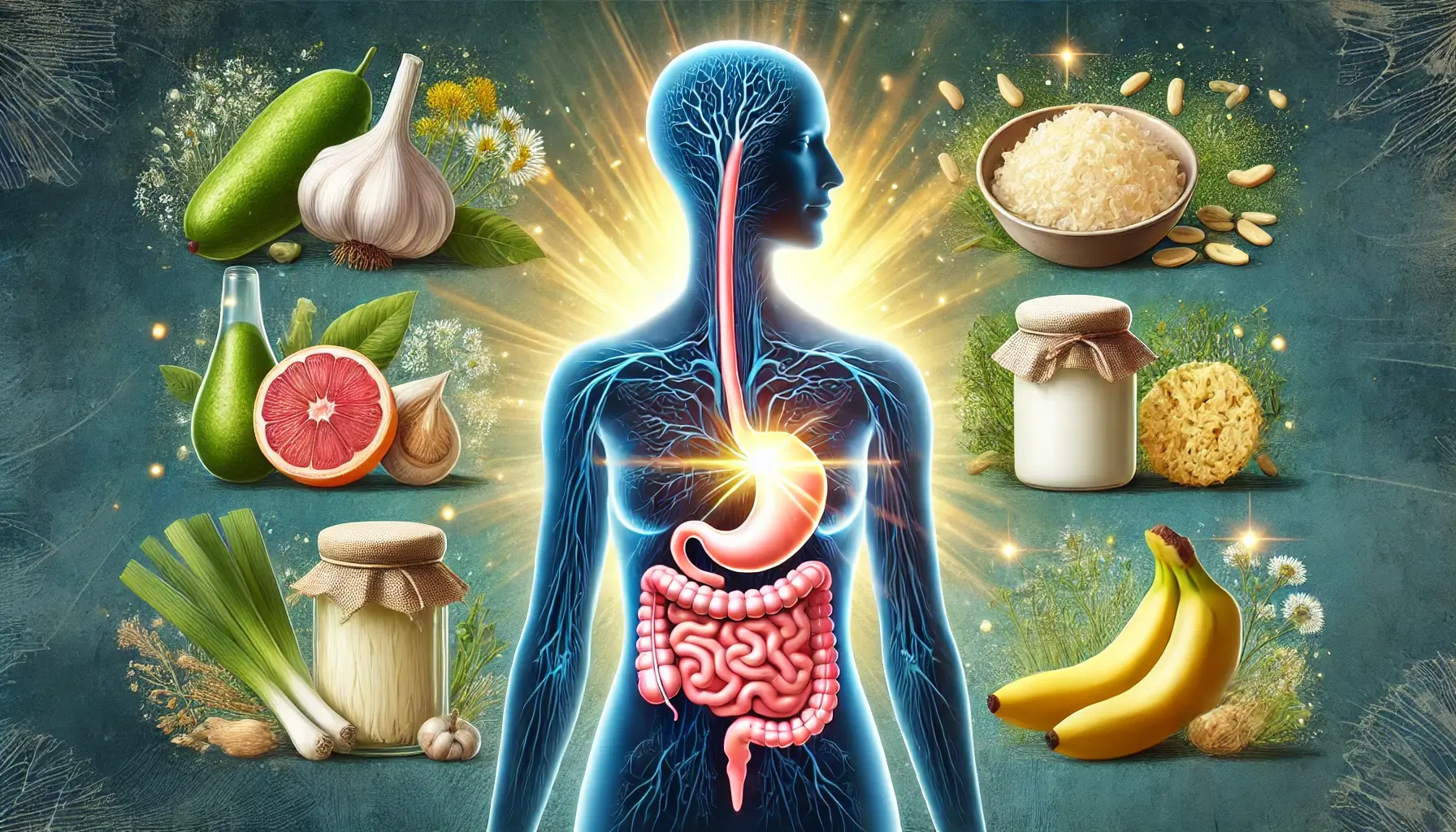
Understanding the Deep Connection Between Gut Health and Skin
Skincare routines and wellness trends often emphasize external factors, such as moisturizing and sunscreen use, in achieving glowing, healthy skin. However, the key to true skin health may lie deeper, within the gut microbiome. The gut, a complex system housing trillions of microorganisms, directly impacts various bodily functions, including immune responses and hormonal balance, and nutrient absorption. These processes, in turn, play a critical role in maintaining the skin’s health and appearance.
The Emerging Science of the Gut-Skin Connection
The gut-skin axis is an emerging concept in medical research, highlighting the connection between gut health and skin conditions such as acne, eczema, and rosacea. By examining how gut bacteria influence systemic inflammation, collagen production, and wound healing, scientists are uncovering new ways to address skin problems from within. This paradigm shift from topical solutions to internal health offers a holistic approach to skincare that prioritizes overall wellness.
A New Perspective on Skincare Research
In this article, we explore the intricate relationship between gut health and skin vitality, supported by scientific evidence. We also provide practical strategies for nurturing gut health, empowering readers to embrace a comprehensive and informed approach to skincare.
Scientific Evidence Supporting the Gut-Skin Connection
Research over the past decade has shed light on the gut-skin axis, revealing how imbalances in gut bacteria can manifest as skin issues. Key findings include:
Eczema and Gut Microbiota: A 2020 study published in the Journal of the American Academy of Dermatology investigated the gut microbiome profiles of individuals with atopic dermatitis (eczema). The study found that patients with severe eczema had significantly lower diversity of gut bacteria compared to healthy individuals. This suggests that restoring microbial balance through probiotics or dietary changes may alleviate symptoms (Gao et al., 2020).
Probiotics and Acne: Acne, a common inflammatory skin condition, has been linked to gut health. Research published in Nature (2018) demonstrated that probiotic supplementation improved acne symptoms by enhancing the skin’s barrier function and reducing inflammation. These results highlight the role of beneficial gut bacteria in modulating immune responses (Wang et al., 2018).
Gut Dysbiosis and Rosacea: Rosacea, characterized by facial redness and inflammation, has also been associated with gut health. Studies suggest that small intestinal bacterial overgrowth (SIBO), a condition marked by an overgrowth of gut bacteria, is more prevalent in individuals with rosacea. Treating SIBO with antibiotics has been shown to improve rosacea symptoms, further emphasizing the gut-skin connection (Parodi et al., 2011).
Skin Aging and Collagen Production: Emerging evidence links gut microbiota diversity to skin aging. Healthy gut bacteria produce short-chain fatty acids (SCFAs), which have anti-inflammatory properties and may promote collagen production, a protein essential for maintaining skin elasticity and youthfulness.
Implementing Strategies for Optimal Gut and Skin Health
Promoting a healthy gut microbiome is crucial for addressing skin concerns and achieving a radiant complexion. Consider implementing the following strategies:
Prebiotics and Probiotics Integration: Prebiotics, found in foods like garlic, onions, and bananas, nourish beneficial gut bacteria. Probiotics, present in fermented foods such as yogurt, sauerkraut, and miso, introduce healthy bacteria to the gut.
Balanced Diet Implementation: A diet rich in fiber, fruits, vegetables, and lean proteins supports a healthy gut microbiome and provides essential nutrients for skin repair.
Stress Management Techniques: Chronic stress can disrupt the gut-skin axis by altering gut bacteria and exacerbating skin inflammation. Stress management techniques such as mindfulness, yoga, and regular exercise can help restore balance.
Hydration Maintenance: Adequate hydration supports gut function and skin hydration, promoting a supple and vibrant complexion.
Sleep Quality Optimization: Quality sleep allows the body, including the gut and skin, to repair and regenerate. Aim for 7–8 hours of uninterrupted rest each night.
Future Implications and Holistic Approaches
The gut-skin connection offers a new perspective on achieving healthy skin by addressing internal factors. Scientific research underscores the importance of a balanced gut microbiome in managing skin conditions like acne, eczema, rosacea, and even signs of aging. By adopting gut-friendly habits, individuals can improve their skin’s appearance while enhancing overall health.
As interest in the gut-skin axis grows, future studies will continue to unravel its complexities, paving the way for innovative treatments and interventions. Meanwhile, embracing a holistic approach to skincare—one that combines external care with internal health—can lead to long-lasting results and a more vibrant, youthful appearance.
Scientific References
Gao, Y., Mao, Y., Zhou, J., Yu, R., Mao, J., Hu, D., & Wang, J. (2020). Gut microbiome composition is altered in patients with atopic dermatitis. Journal of the American Academy of Dermatology, 82(2), 380-387.
Wang, J., Li, Y., Huang, J., Guo, Y., Luo, Y. (2018). Probiotics and their beneficial effects on skin health. Nature, 563, 77-83.
Parodi, A., Paolino, S., Greco, A., Drago, F., Mansi, C., Rebora, A., & Parodi, M. (2011). Small intestinal bacterial overgrowth in rosacea: Clinical effectiveness of its eradication. Clinical Gastroenterology and Hepatology, 9(3), 248-254.