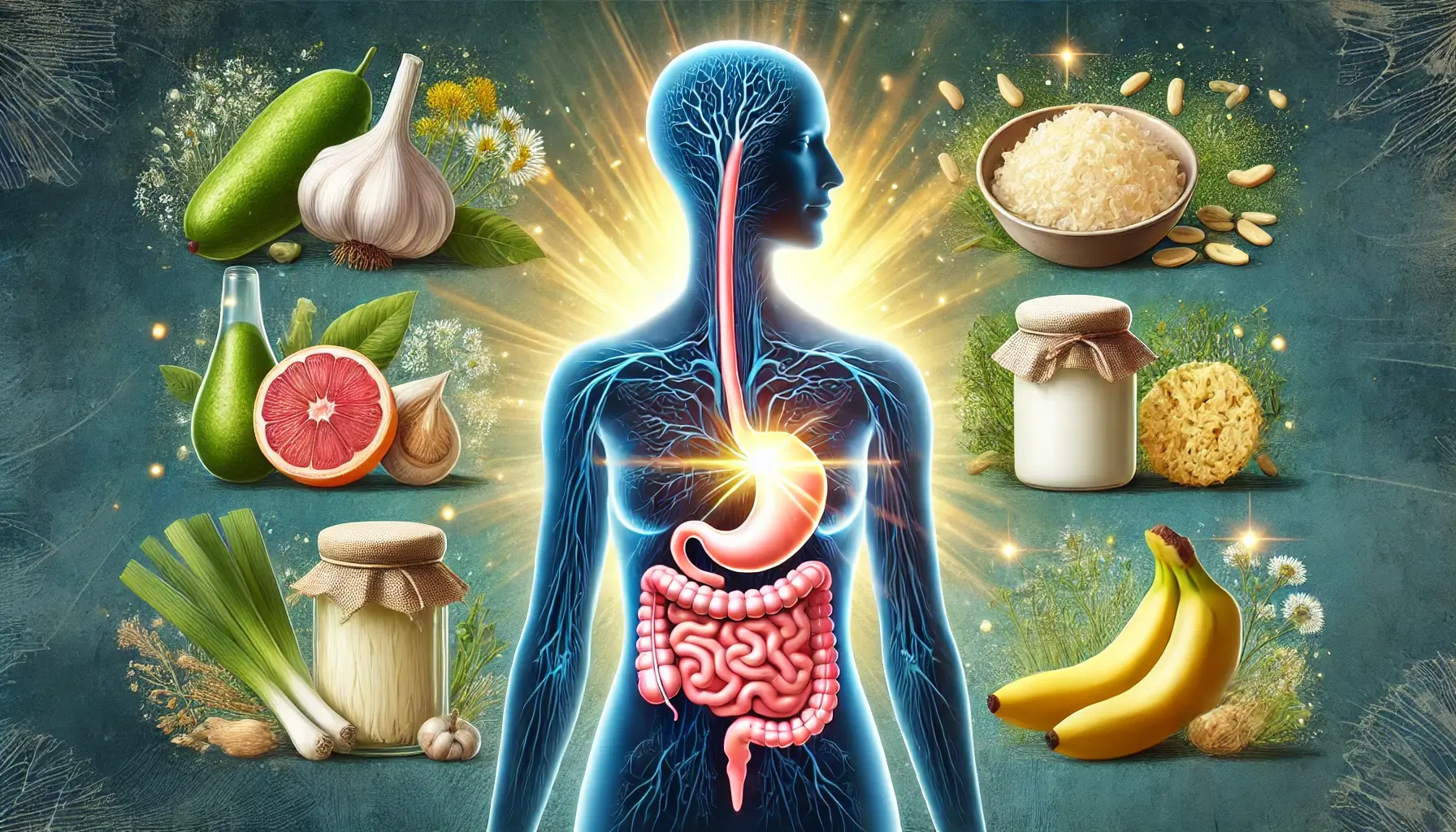
Evidence-Based Guide: Optimizing Digestive Health Through Vitamin D Supplementation
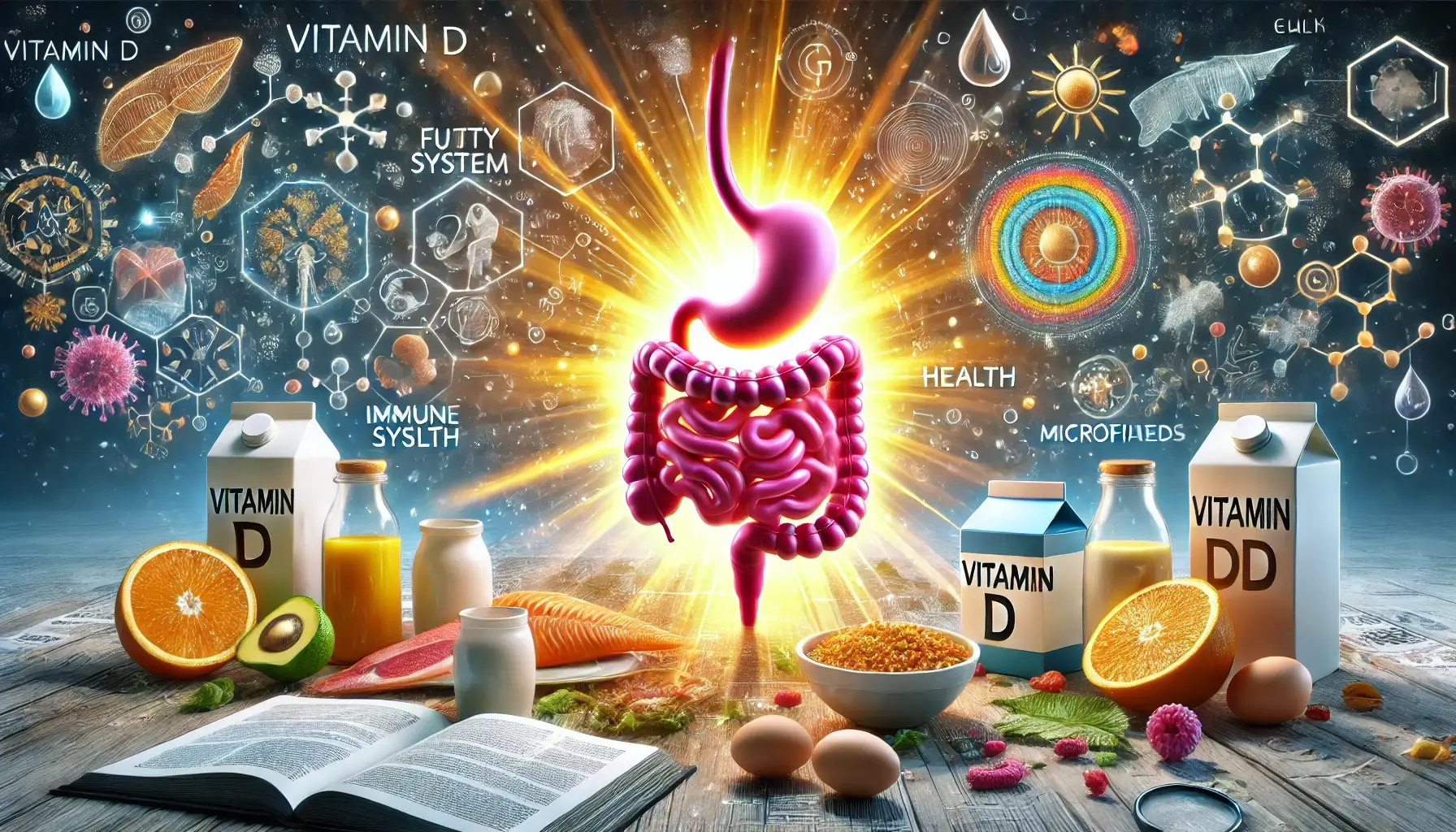
Introduction to Vitamin D and Digestive Health
Vitamin D, a fat-soluble vitamin essential for numerous physiological functions, is primarily recognized for its role in maintaining bone health. However, its significance extends far beyond the skeletal system. Increasing evidence highlights vitamin D as a pivotal factor in gastrointestinal health, influencing processes like immune regulation, gut barrier integrity, and microbiome balance. This makes it a key nutrient in the prevention and management of digestive disorders.
The Prevalence of Digestive Conditions
Digestive conditions such as inflammatory bowel disease (IBD), irritable bowel syndrome (IBS), and small intestinal bacterial overgrowth (SIBO) are not only prevalent but often debilitating. Interestingly, these conditions are frequently associated with low vitamin D levels, sparking interest in its potential therapeutic applications. By understanding the mechanisms underlying the relationship between vitamin D and the digestive system, clinicians and researchers can develop more effective strategies to enhance patient outcomes.
Article Overview
This article explores the scientific basis of vitamin D’s role in digestive health, reviews relevant research, and offers evidence-based recommendations for achieving optimal vitamin D levels.
Key Mechanisms of Vitamin D in Digestive Health
Vitamin D’s impact on the gastrointestinal system is mediated through several mechanisms:
Role in Immune System Modulation
The gastrointestinal tract hosts a significant proportion of the immune system, which plays a dual role: combating pathogens and maintaining tolerance to beneficial microbes. Vitamin D acts as an immunomodulator by regulating the expression of inflammatory cytokines and enhancing the production of antimicrobial peptides. This reduces inflammation and fosters a balanced gut immune environment, critical for preventing and managing conditions like Crohn’s disease and ulcerative colitis (Li et al., 2021).
Impact on Gut Barrier Function
The intestinal epithelium serves as a selective barrier that permits nutrient absorption while blocking harmful substances. Vitamin D enhances the expression of tight junction proteins, reinforcing the gut barrier and reducing intestinal permeability. This function is particularly relevant in conditions associated with “leaky gut,” where a compromised barrier contributes to systemic inflammation and digestive symptoms (Li et al., 2021).
Effects on Microbiome Composition
A diverse and balanced gut microbiome is vital for digestion, immunity, and overall health. Emerging research suggests that vitamin D influences the composition of the gut microbiota, promoting the growth of beneficial bacteria while inhibiting pathogenic strains. These effects may reduce the risk of dysbiosis, a microbial imbalance often linked to IBS and other digestive disorders (Moayyedi et al., 2019).
Research Evidence Supporting Vitamin D’s Role
The association between vitamin D and gastrointestinal health is supported by a growing body of research:
Research on Inflammatory Bowel Disease
A 2021 review published in Nutrients investigated the role of vitamin D in IBD, including Crohn’s disease and ulcerative colitis. The review found that patients with IBD frequently exhibit vitamin D deficiency, which may exacerbate inflammation and disease severity. Supplementation was associated with improved symptom control and reduced inflammatory markers, indicating a potential adjunctive role for vitamin D in IBD management (Li et al., 2021).
Studies on Irritable Bowel Syndrome
IBS is a functional gastrointestinal disorder characterized by symptoms such as bloating, abdominal pain, and altered bowel habits. A 2019 study in Alimentary Pharmacology & Therapeutics explored the effects of vitamin D supplementation in IBS patients. The study demonstrated that those receiving supplementation experienced significant symptom relief compared to a placebo group, suggesting that vitamin D could be a valuable intervention for IBS management (Moayyedi et al., 2019).
Research on Small Intestinal Bacterial Overgrowth
Although research on vitamin D and SIBO is limited, preliminary studies suggest that low vitamin D levels may predispose individuals to bacterial overgrowth in the small intestine. By enhancing gut immunity and epithelial integrity, vitamin D could potentially mitigate the risk of SIBO and its associated complications (Li et al., 2021).
Recommendations for Vitamin D Optimization
Optimizing vitamin D levels is a practical strategy to support digestive health. Here are evidence-based recommendations:
Guidelines for Sunlight Exposure
Moderate sunlight exposure (15–20 minutes daily) is the most natural way to boost vitamin D production. Factors such as geographic location, skin pigmentation, and sunscreen use may influence synthesis and should be considered when evaluating sun exposure needs.
Dietary Sources and Intake
Incorporating vitamin D-rich foods such as fatty fish (e.g., salmon, mackerel), egg yolks, and fortified products (e.g., milk, cereals) can help achieve recommended levels.
Supplementation Guidelines
Vitamin D supplements offer a reliable option for individuals with limited sun exposure or dietary intake. The appropriate supplementation dosage should be determined based on individual needs, with guidance from a healthcare provider to avoid potential toxicity.
Final Thoughts on Vitamin D and Digestive Health
Vitamin D’s role in digestive health underscores its broader significance as a multifaceted nutrient. By modulating immune responses, reinforcing gut barrier function, and influencing the microbiome, vitamin D supports a robust gastrointestinal system. Current research highlights its potential in managing conditions such as IBD, IBS, and SIBO, though further studies are needed to establish definitive therapeutic protocols.
Implementation and Maintenance Recommendations
Maintaining adequate vitamin D levels is a simple yet impactful step toward optimizing digestive health. Whether through sunlight, diet, or supplementation, ensuring sufficient vitamin D intake can enhance both gastrointestinal and overall well-being. Healthcare professionals should consider evaluating vitamin D status in patients with digestive disorders and recommend personalized strategies to address deficiencies.
References
Li, Y., Cai, H., Yang, Y., Yi, G., Yu, J., & Li, J. (2021). Vitamin D and inflammatory bowel disease: A comprehensive review. Nutrients, 13(12), 4171. https://doi.org/10.3390/nu13124171
Moayyedi, P., Ford, A. C., Gunn, J., Hassan, F., & Pryde, P. G. (2019). Vitamin D supplementation for irritable bowel syndrome. Alimentary Pharmacology & Therapeutics, 49(8), 1008-1016. https://doi.org/10.1111/apt.15233