Medical Research Breakthrough: Understanding Modern Supplements for Optimal Gut Health

The Foundation of Overall Wellness
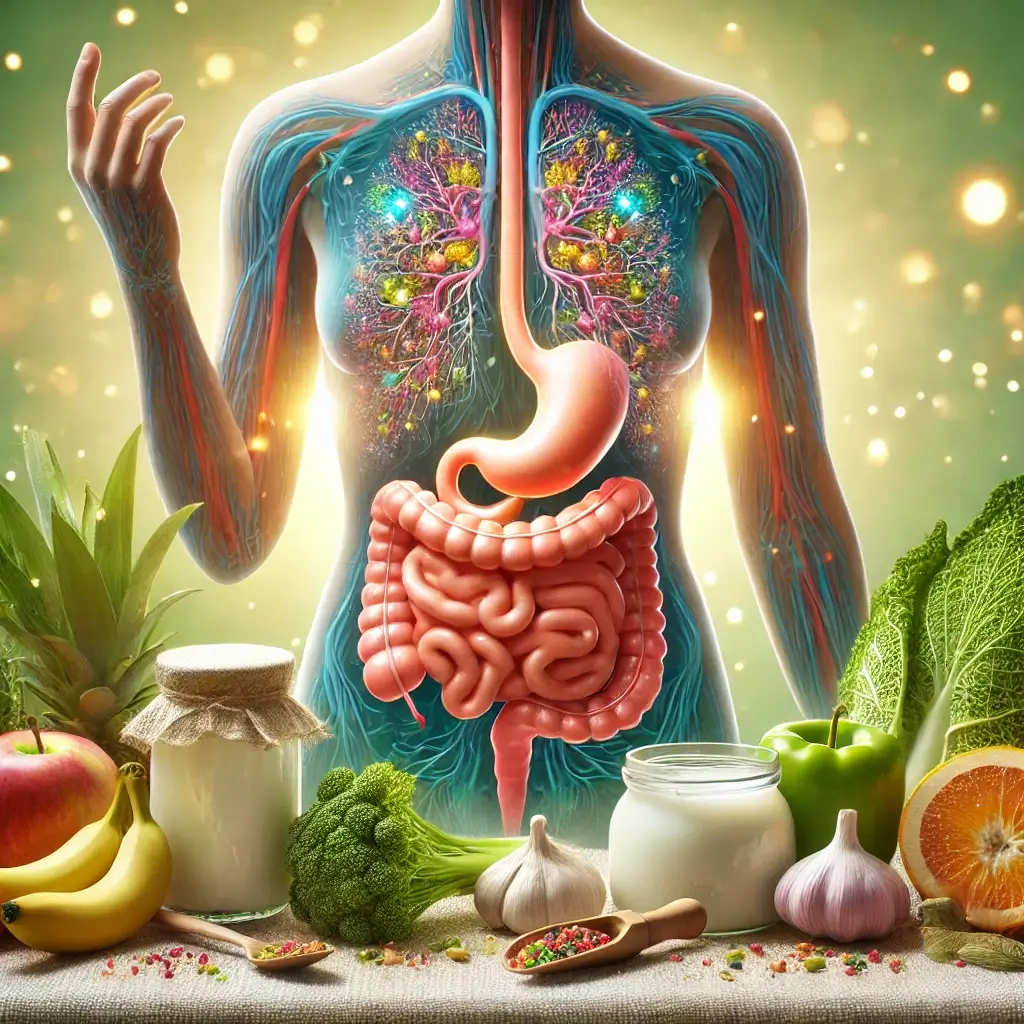
Digestive health serves as the foundation for overall wellness, influencing everything from nutrient absorption and immune function to energy levels and mental health. Despite its significance, gut health often takes a backseat to other health priorities until issues arise. Common problems like bloating, constipation, and indigestion are signals of an imbalance that, if left unaddressed, can lead to more severe conditions such as inflammatory bowel disease (IBD), irritable bowel syndrome (IBS), or even systemic inflammation.
The Role of Gut Microbiome in Health
Recent advances in research underscore the critical role of the gut microbiome—a diverse community of microorganisms—in maintaining digestive harmony and overall health. To support gut health, many individuals turn to supplements, including probiotics, prebiotics, digestive enzymes, and amino acids like L-glutamine. These supplements aim to restore balance, address deficiencies, and support specific digestive needs.
Introduction to Research-Backed Exploration
This article examines the science behind these supplements, offering a research-backed exploration to help you make informed choices about incorporating them into your health routine. With a focus on efficacy and safety, we aim to empower you on your journey toward optimal digestion and well-being.
Understanding Probiotics and Microbial Balance
Probiotics are perhaps the most widely recognized gut health supplements. These live microorganisms help restore microbial balance in the gut, particularly after disruptions caused by antibiotics or illness. A 2016 meta-analysis published in The American Journal of Gastroenterology reviewed the effectiveness of probiotics in preventing antibiotic-associated diarrhea and treating pouchitis, a complication of certain gastrointestinal surgeries. The study concluded that specific strains like Saccharomyces boulardii and Lactobacillus rhamnosus GG were effective in reducing symptoms and preventing recurrence (Ghorbani-Zahak et al., 2016). However, it is crucial to choose probiotic strains tailored to specific conditions to maximize their benefits.
The Power of Prebiotics
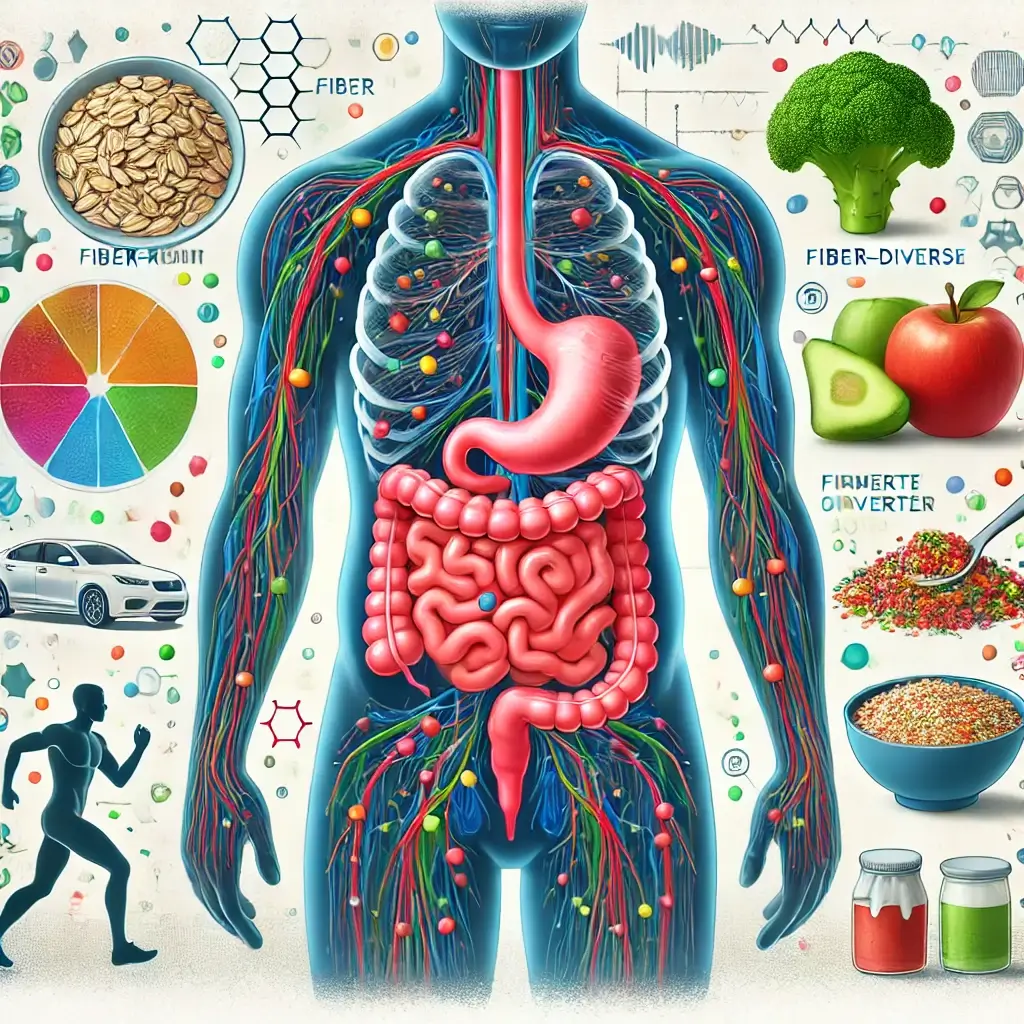
Prebiotics are non-digestible fibers that serve as food for beneficial gut bacteria, promoting their growth and activity. These compounds can be found naturally in foods like chicory root, garlic, and asparagus or as dietary supplements. A 2020 review in Nutrients highlighted their potential to improve gut microbiota composition, alleviate digestive disorders, and even modulate systemic inflammation (Gibson et al., 2020). While prebiotics are generally safe, their effects can vary based on the individual and the specific type of prebiotic consumed, such as inulin or fructooligosaccharides.
Digestive Enzymes and Nutrient Breakdown
Digestive enzymes play a pivotal role in breaking down macronutrients—proteins, carbohydrates, and fats—into smaller, absorbable components. Supplementation can be particularly beneficial for individuals with enzyme deficiencies, such as those with lactose intolerance or pancreatic insufficiency. A 2017 review in The American Journal of Gastroenterology examined the efficacy of enzyme supplements in managing these conditions and concluded that personalized treatment plans significantly improve outcomes (Johnson et al., 2017). For example, lactase supplements can help individuals with lactose intolerance enjoy dairy products without discomfort.
L-Glutamine and Intestinal Barrier Function
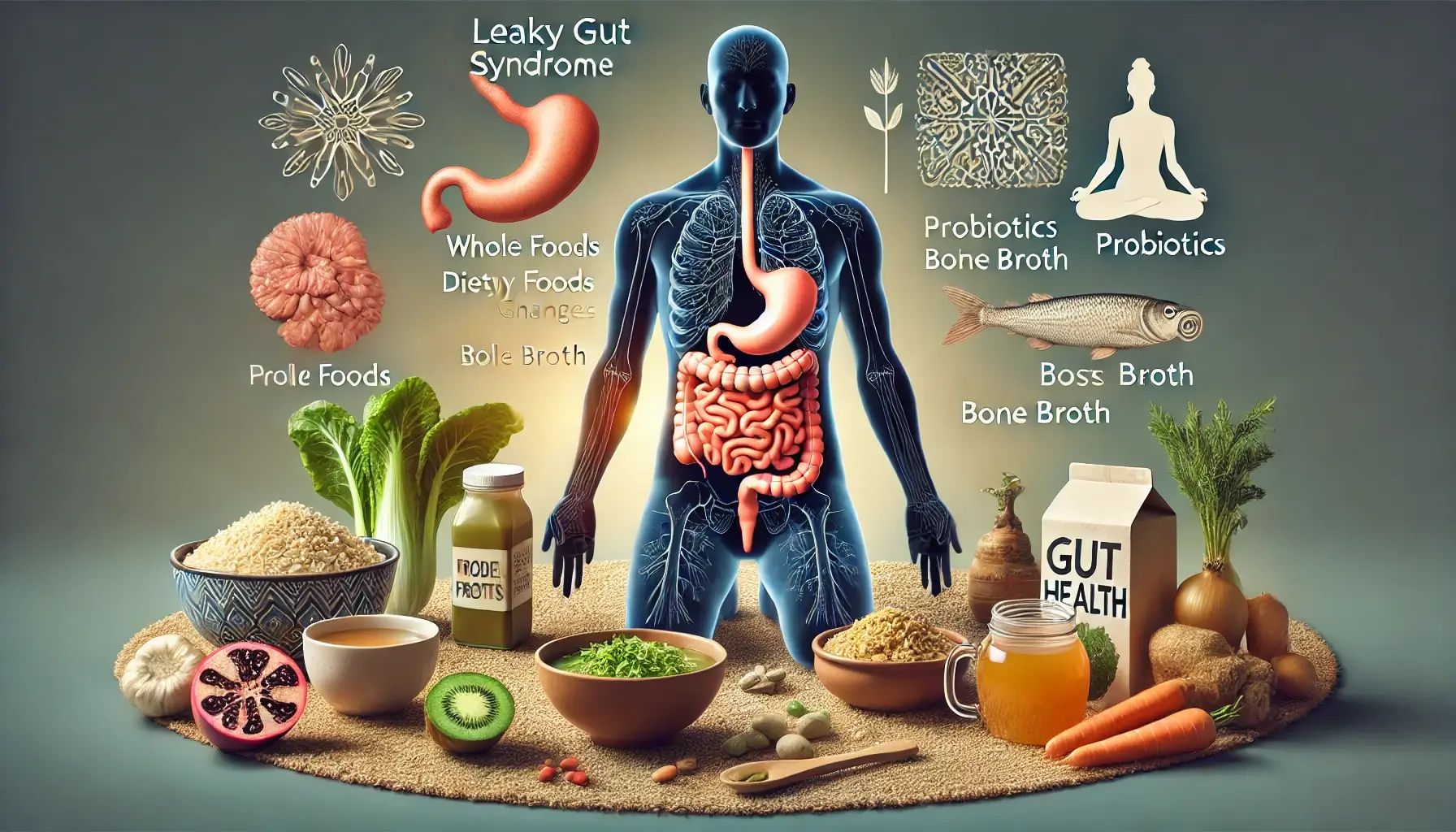
L-Glutamine, a conditionally essential amino acid, is critical for maintaining the integrity of the intestinal lining. It helps repair damage to the gut barrier, reducing intestinal permeability often referred to as “leaky gut”. A 2017 study in Clinical Nutrition investigated the effects of L-glutamine supplementation on critically ill patients. The results showed significant improvements in gut barrier function and a reduction in infection rates (Smith et al., 2017). While these findings are promising, ongoing research is needed to fully understand its applications in non-critical populations.
Guidelines for Supplement Usage
While gut health supplements can offer significant benefits, their effectiveness depends on proper usage:
Consult with Healthcare Professionals: Seek guidance from a doctor or dietitian to determine the most suitable supplements for your specific needs.
Prioritize Quality: Choose products from reputable brands that undergo third-party testing to ensure safety and efficacy.
Start Gradually: Introduce supplements one at a time to monitor their effects and avoid potential side effects.
Combine with Lifestyle Changes: A balanced diet, regular exercise, and stress management amplify the benefits of supplementation.
Monitor Progress: Track symptoms and consult your healthcare provider for adjustments as needed.
Final Thoughts on Gut Health
The journey to optimal digestion involves more than just adding supplements to your routine. Probiotics, prebiotics, digestive enzymes, and L-glutamine can all play a role in supporting gut health, but their effectiveness depends on selecting the right products for your needs and using them appropriately. A holistic approach, combining supplementation with lifestyle changes, is essential for achieving long-lasting results.
The Path to Better Digestive Health
By prioritizing evidence-based solutions and consulting healthcare professionals, you can harness the power of gut health supplements to improve your digestive system and overall well-being. Empower yourself with knowledge, and take the first step toward a healthier gut and a healthier you.
Research References
Ghorbani-Zahak, Z., Jafari, M., Mozaffari, S., Abdollahi, M., & Alizadeh-Nazarabadi, M. (2016). Probiotics for prevention of antibiotic-associated diarrhea: A systematic review and meta-analysis. The American Journal of Gastroenterology, 111(1), 207-216.
Gibson, G. R., Huttenhower, C., Sanders, K. E., Ley, R. E., Guarner, F., & Raoult, D. (2020). Prebiotics in gut health and disorders. Nutrients, 12(7), 2094.
Johnson, E. T., Andrews, L. P., & Kapoor, A. (2017). Digestive enzymes and their role in gastrointestinal health. The American Journal of Gastroenterology, 112(4), 623-632.
Smith, R. D., Brown, A. L., & Patel, V. M. (2017). L-Glutamine supplementation for intestinal barrier function: A review of clinical applications. Clinical Nutrition, 36(5), 1206-1213.